
800+ happy clients
Over 800 Northern Irish Men and Woman have trusted DotMicro to restore their confidence.
Featured in



What Is Scalp Micropigmentation (SMP)?
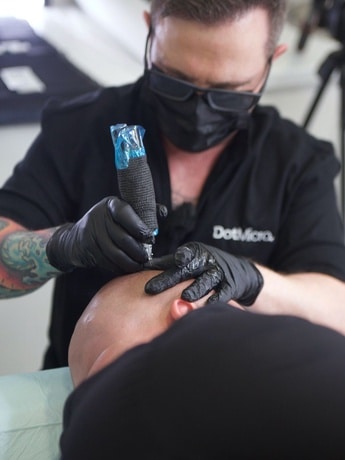
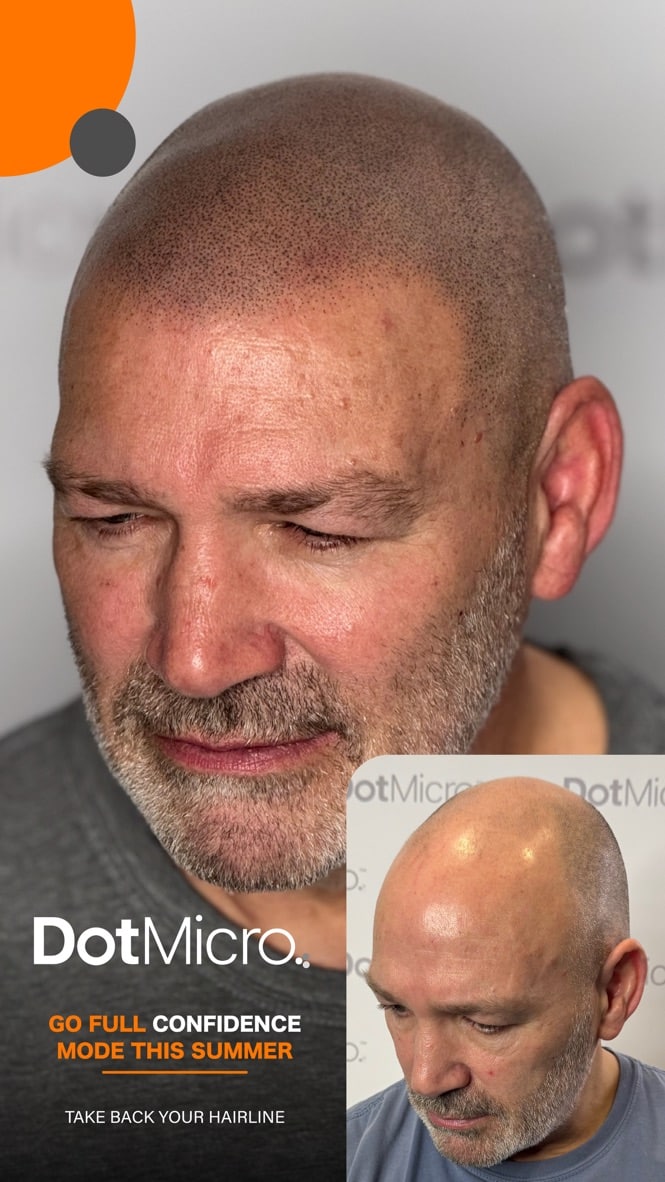
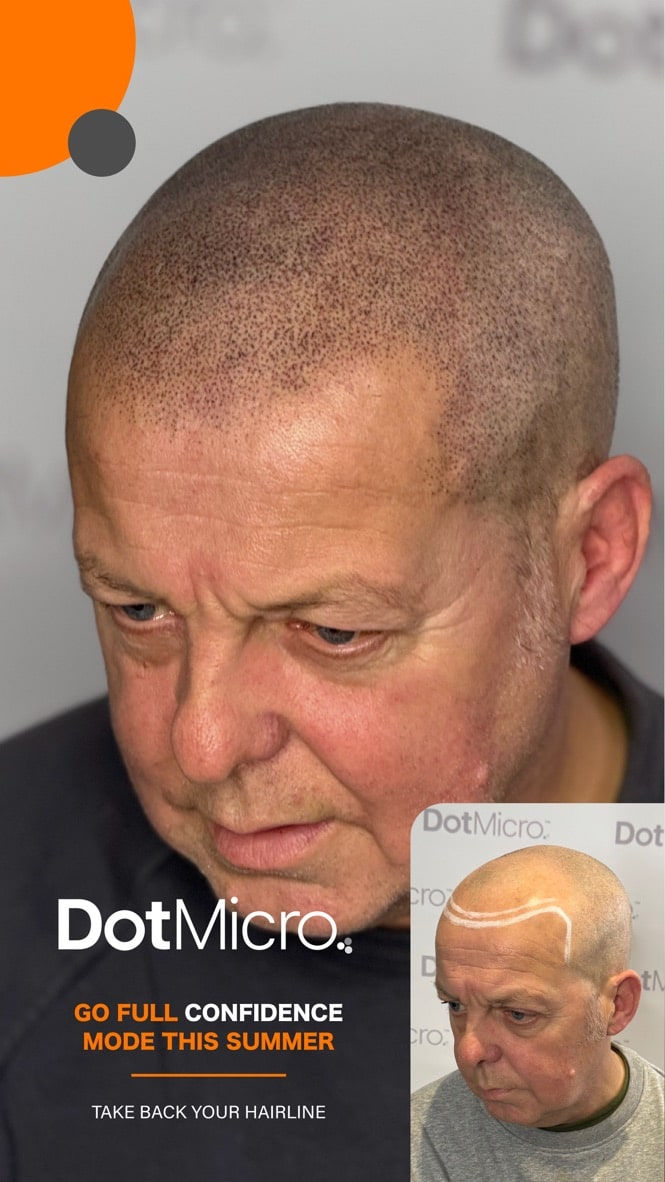
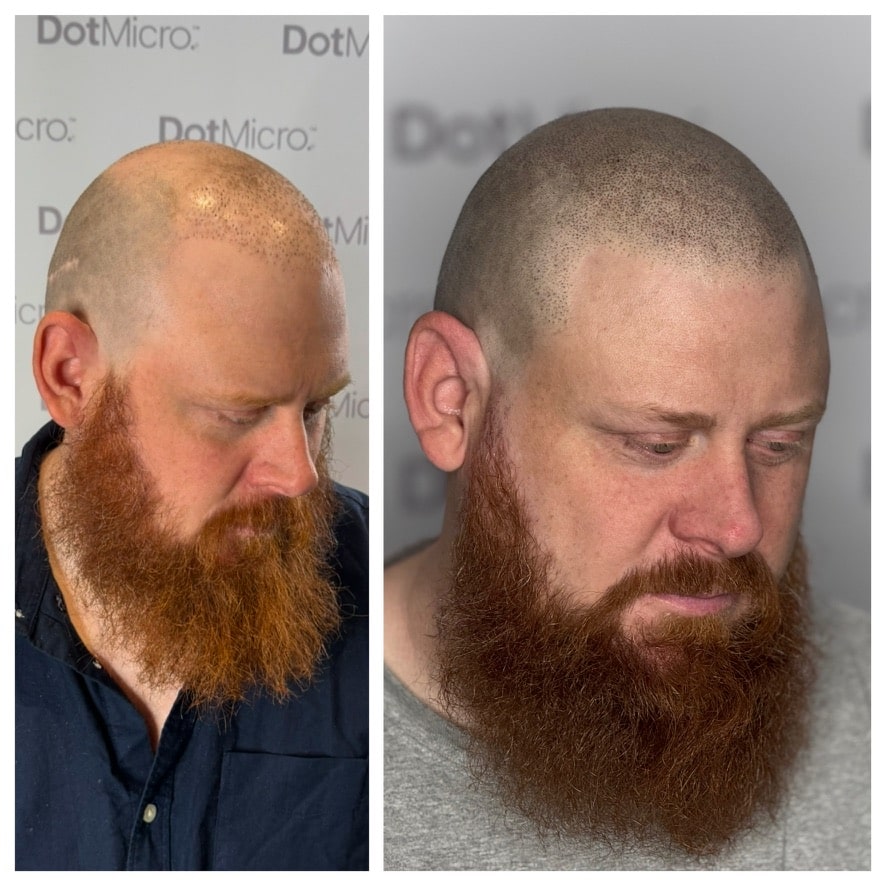
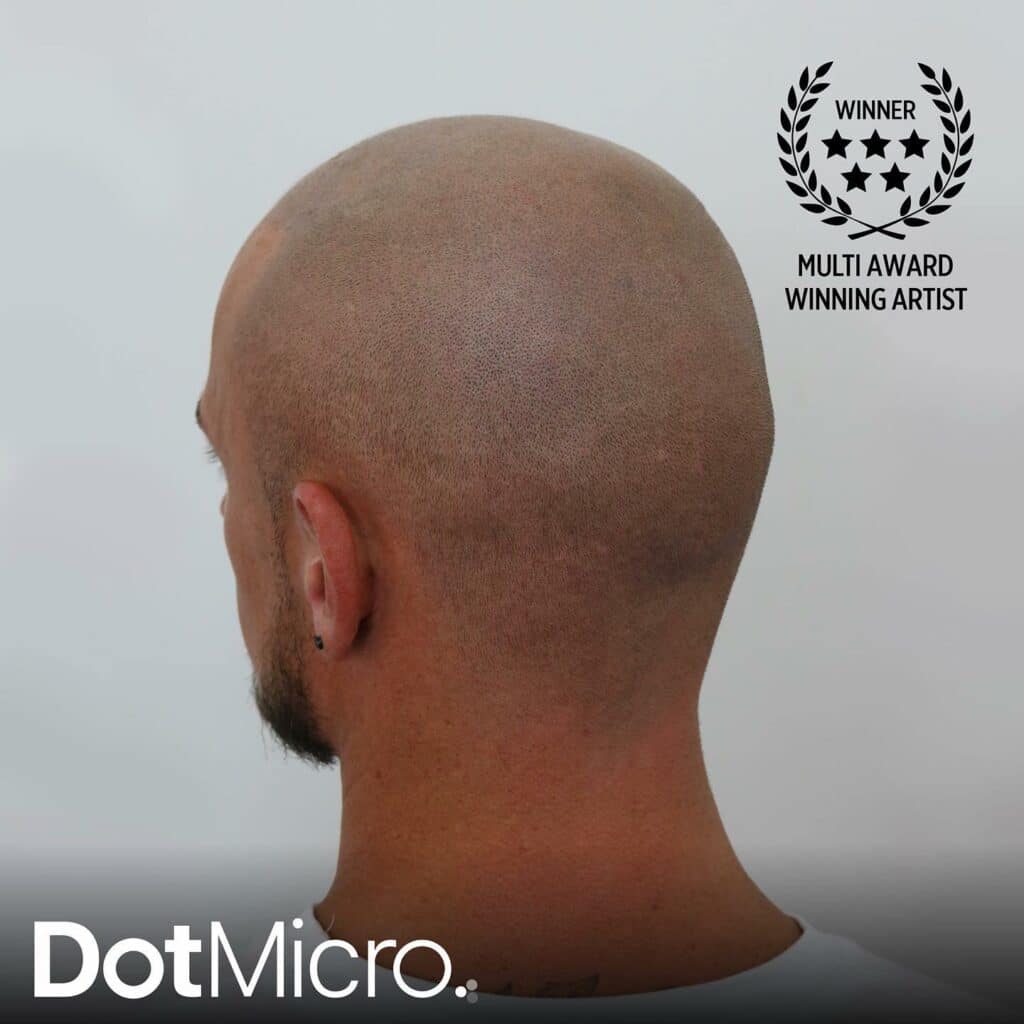
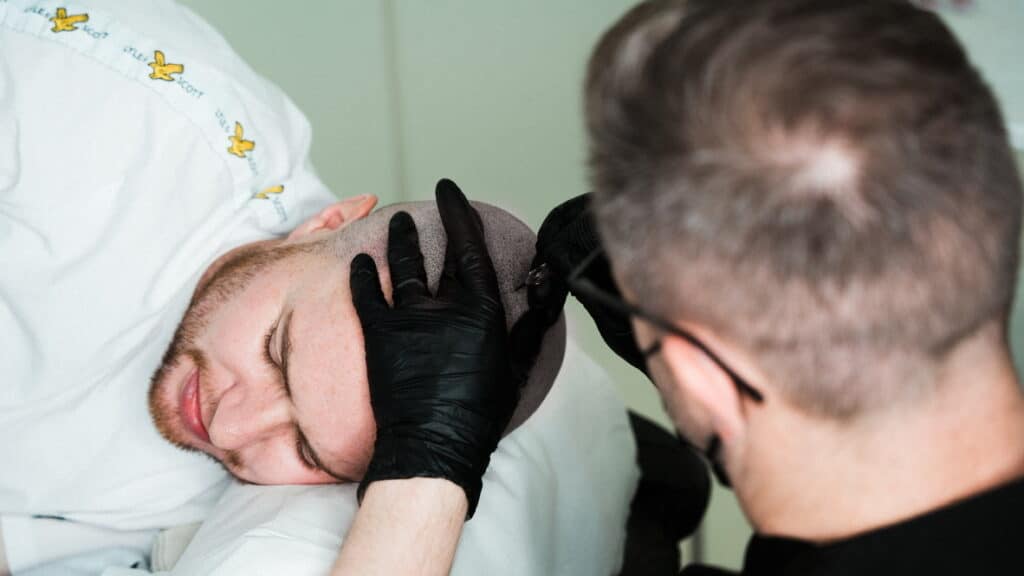
Scalp micropigmentation (SMP) is a non-surgical treatment that creates the appearance of real hair follicles by placing small pigment impressions into the scalp.
Often referred to as a hair tattoo, SMP is used to restore hairlines, improve density, and reduce the appearance of hair loss.
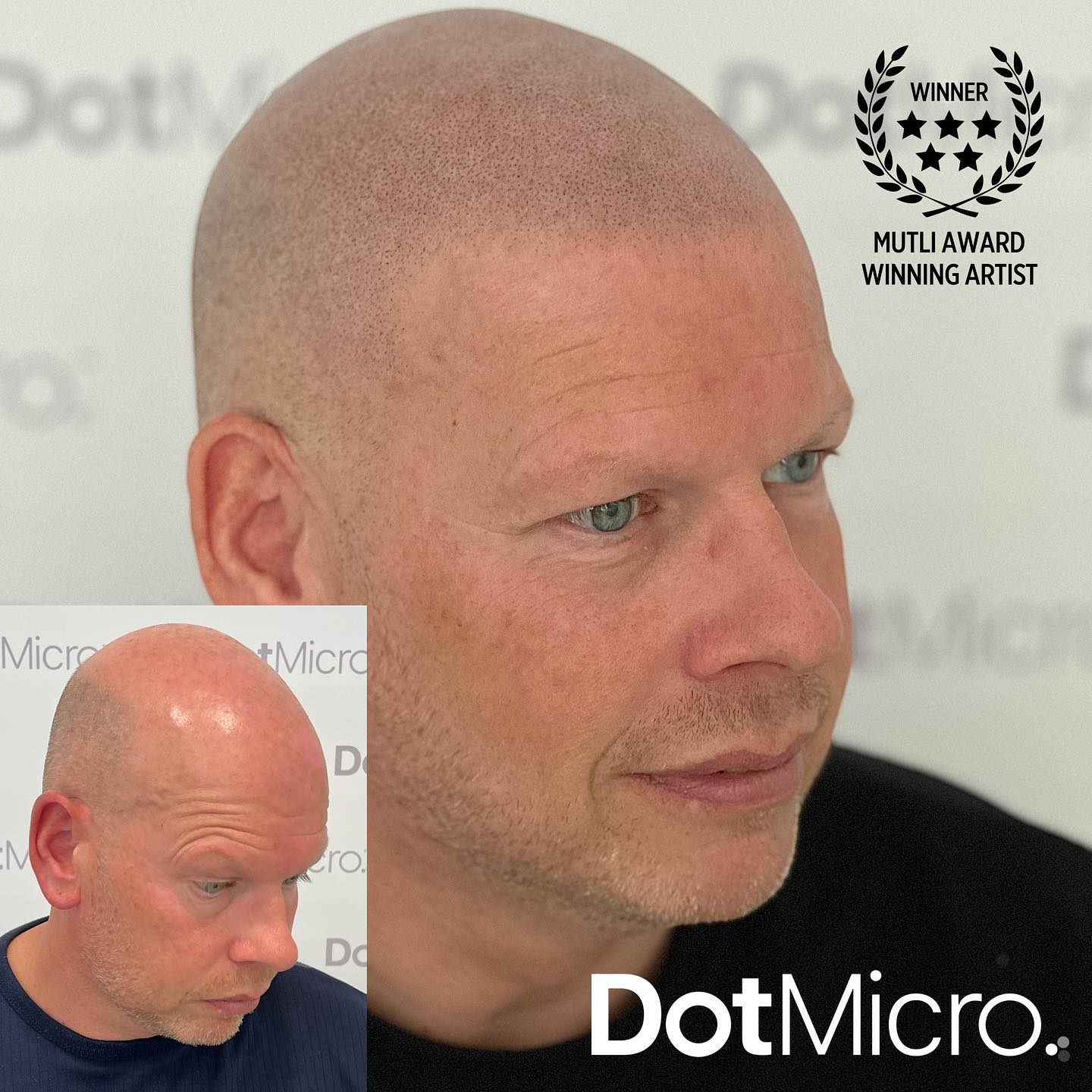
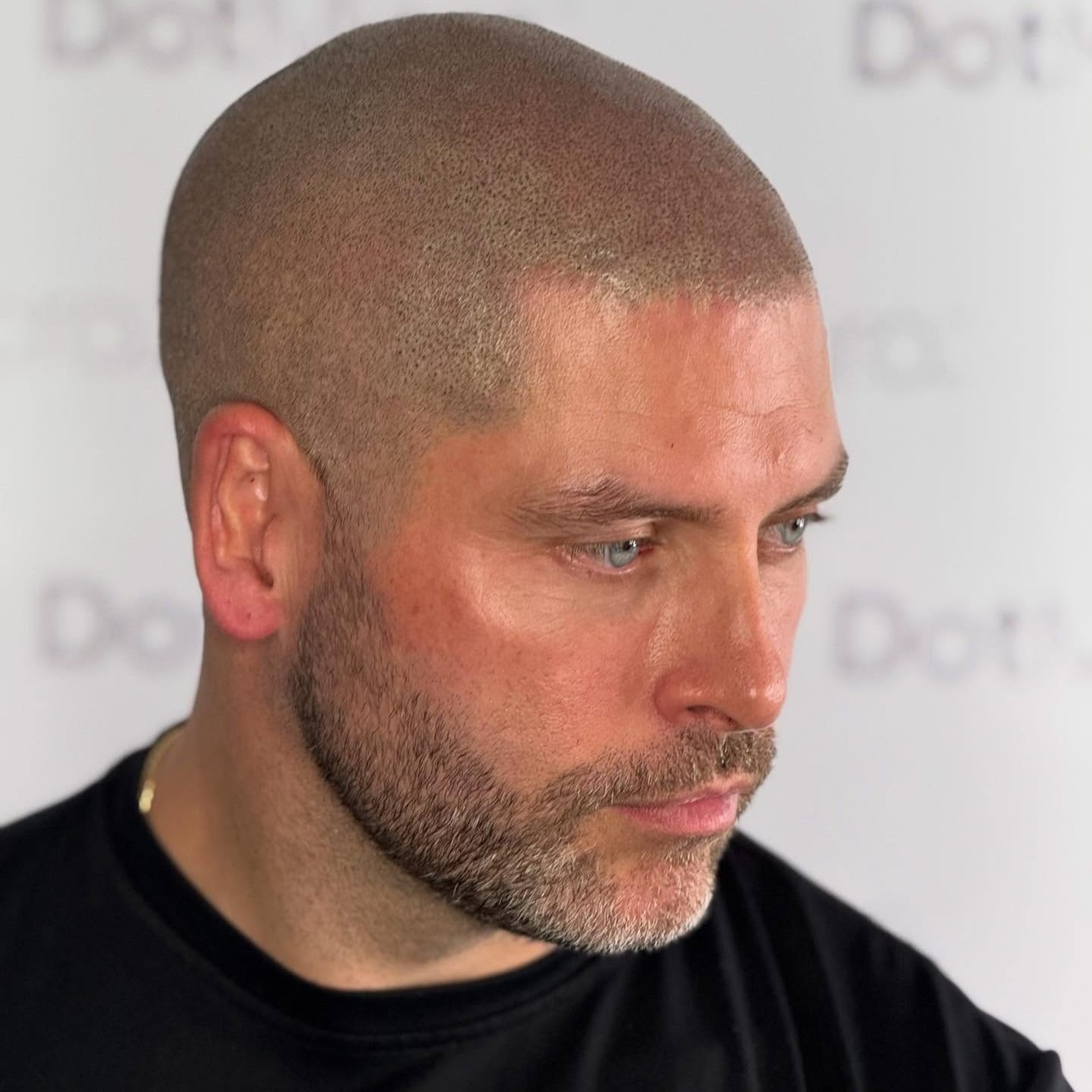
The result is a natural, consistent look that blends with your existing hair and suits all stages of hair loss.
How SMP Differs From Traditional Tattooing?
Although scalp micropigmentation is sometimes described as a hair tattoo, the technique is very different from traditional tattooing.
SMP uses specialised equipment and places pigment at a controlled depth within the upper layers of the skin. This keeps each impression small and precise, which is essential for creating a natural hairline.
Traditional tattoos are placed deeper into the skin and can spread over time, while SMP is designed to maintain sharp, realistic results.
Popular Treatments
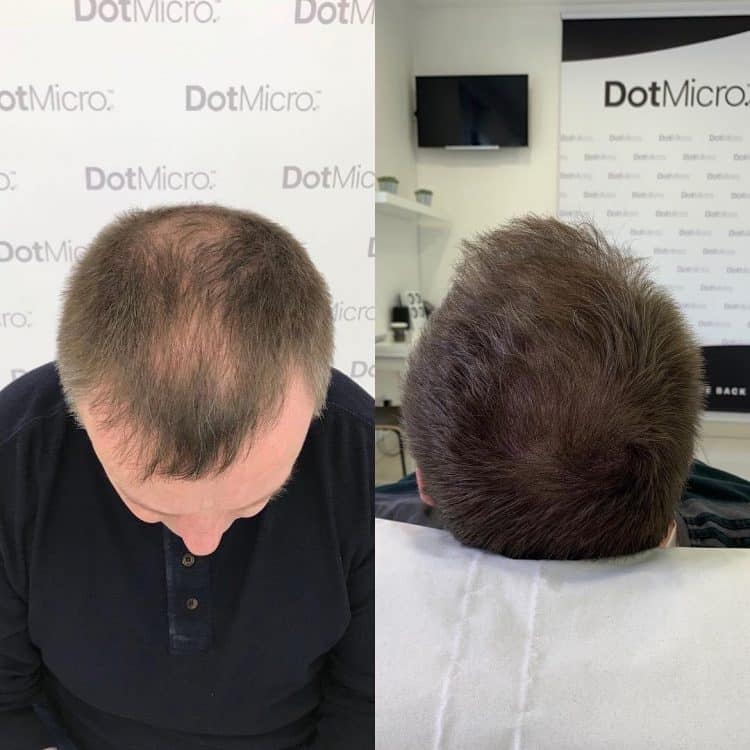
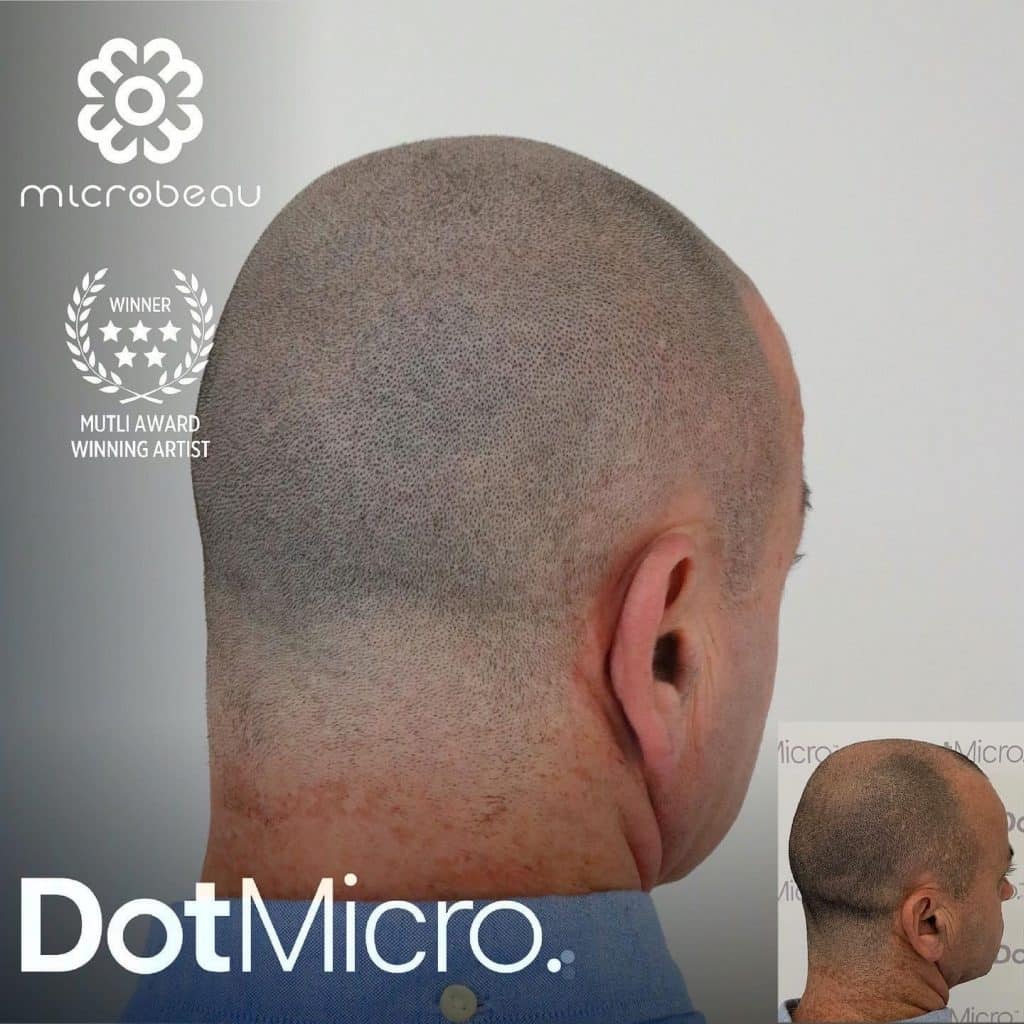
Tired of Hiding Your Hair Loss?
- Feeling self-conscious about hair loss
- Frustrated with treatments that don’t work
- Worried about surgery or unnatural results
- Tired of hats or concealing thinning areas
- Lost confidence affecting relationships and career
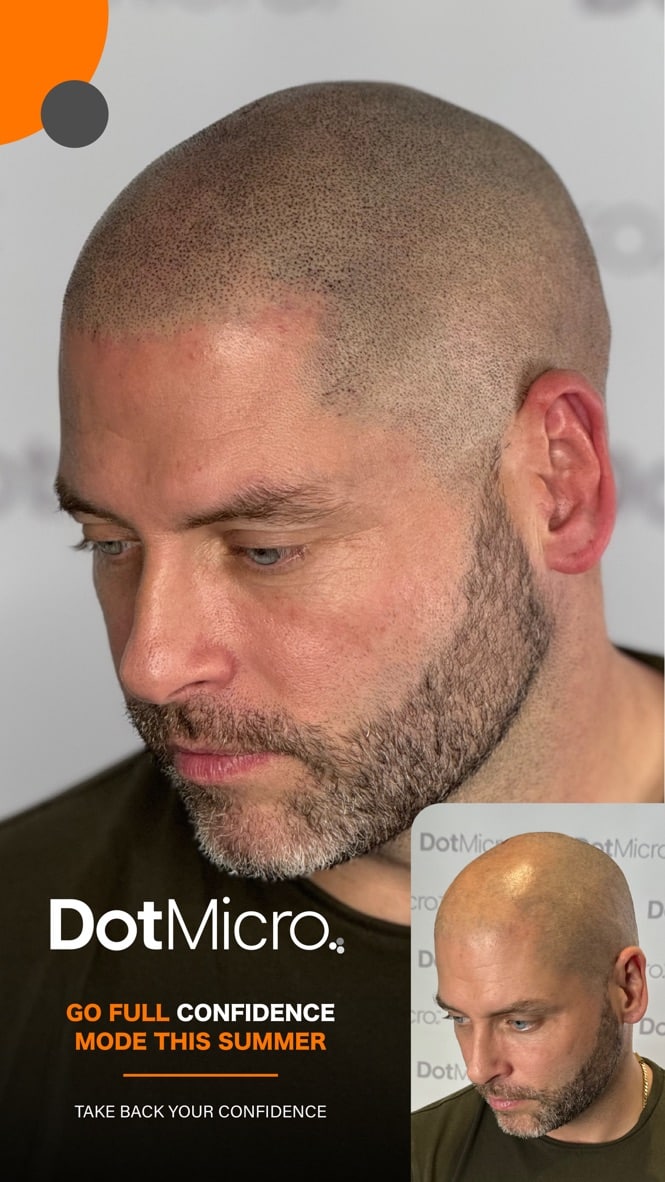
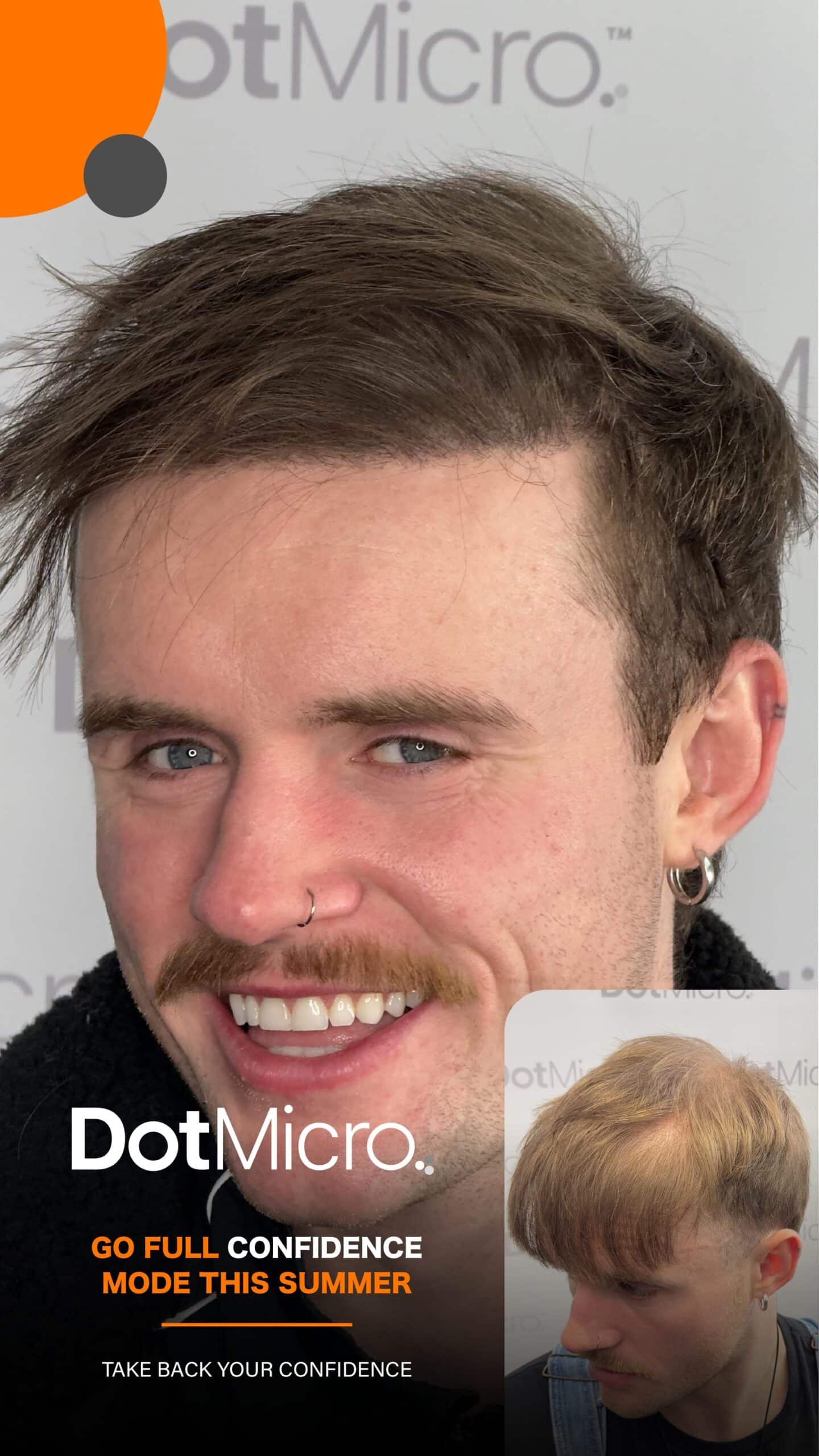
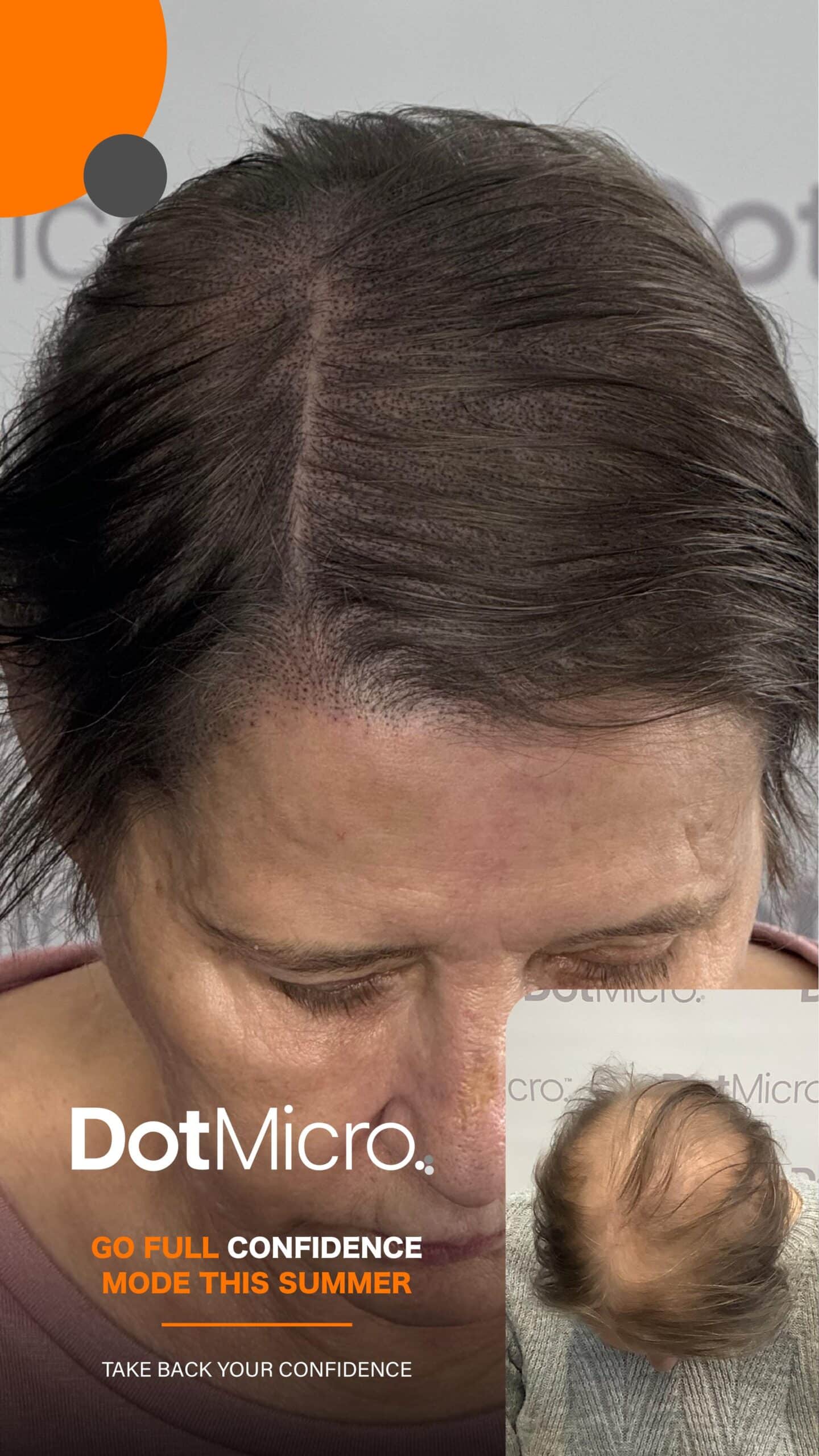
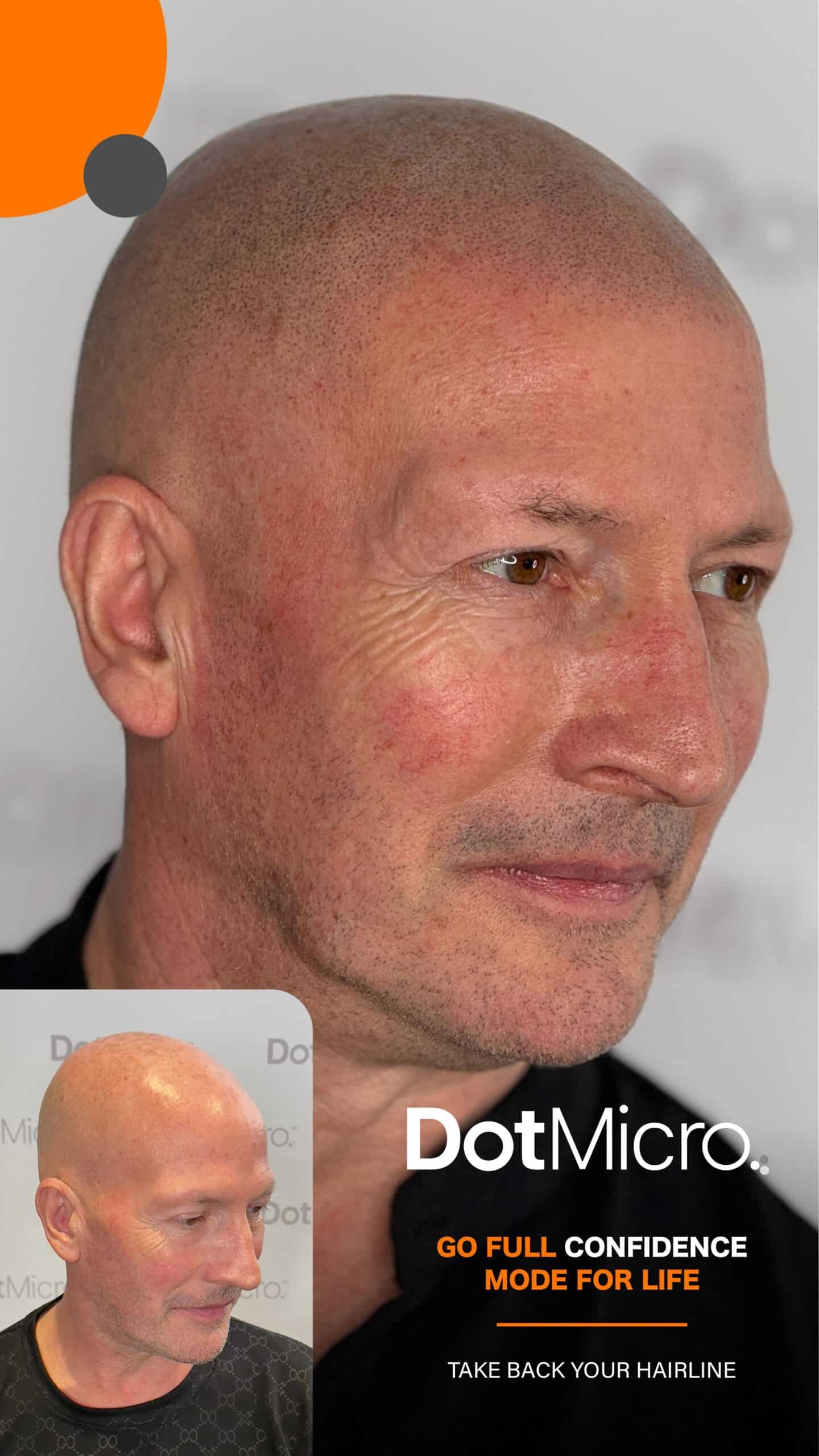
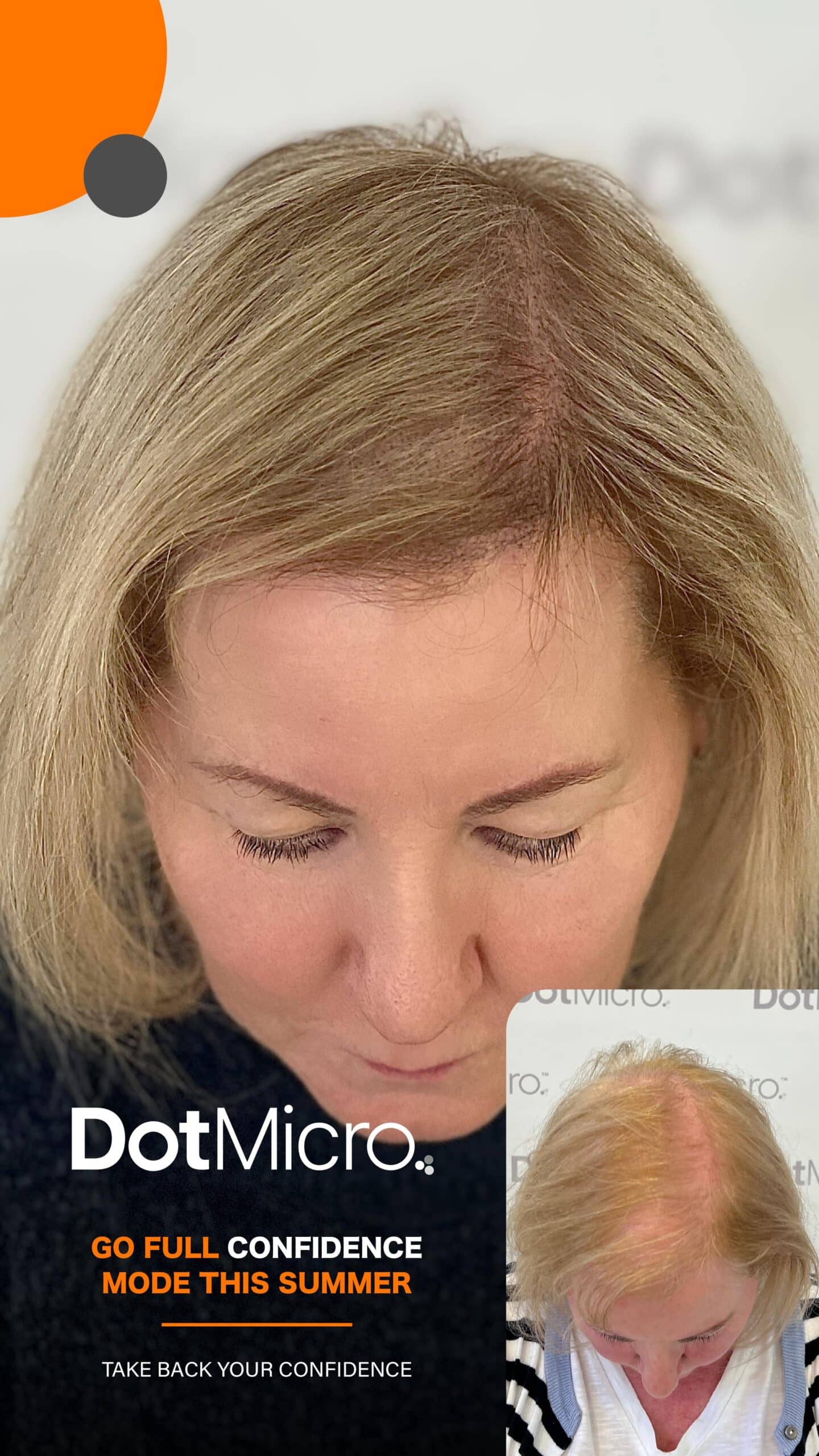
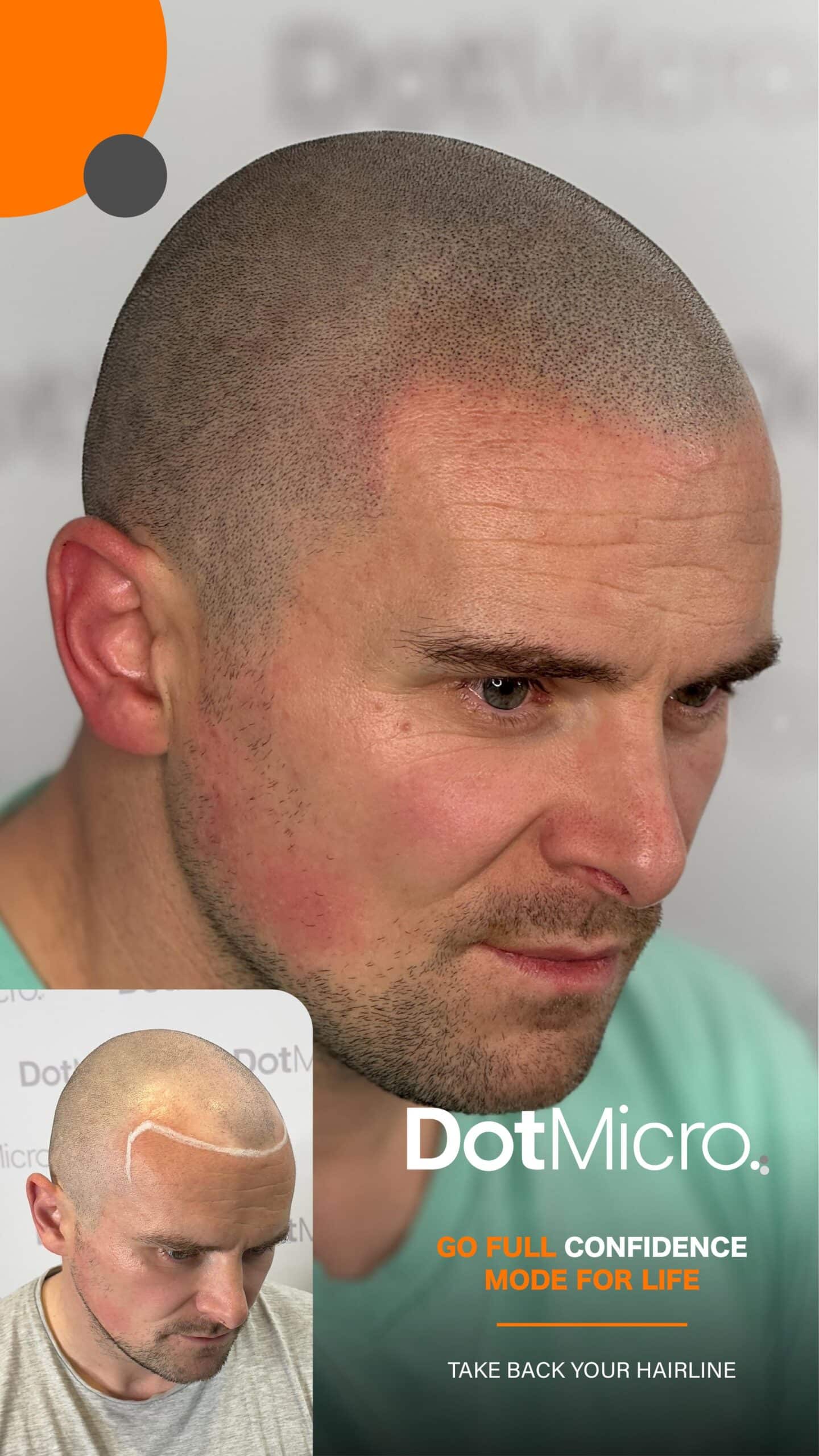
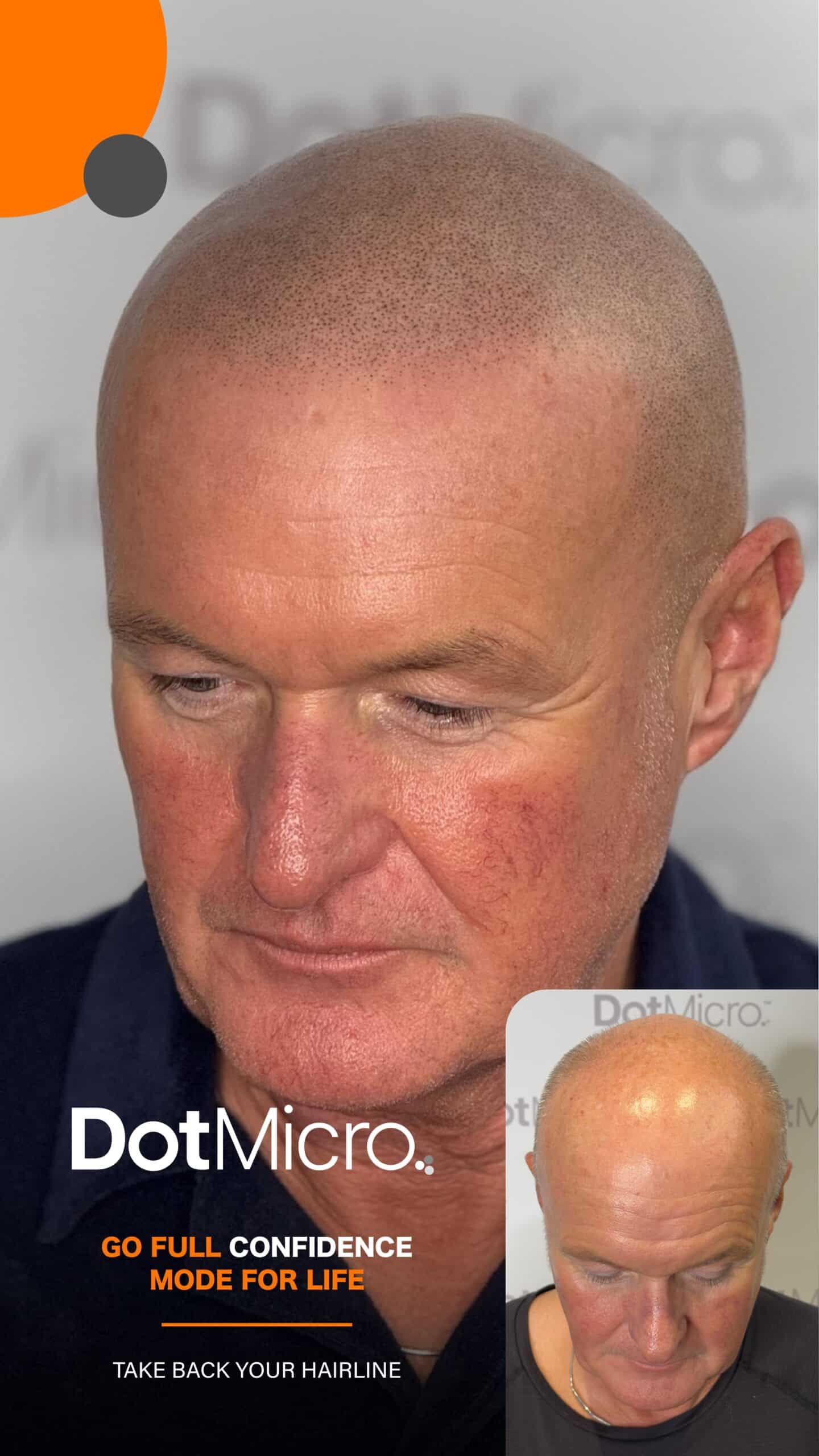
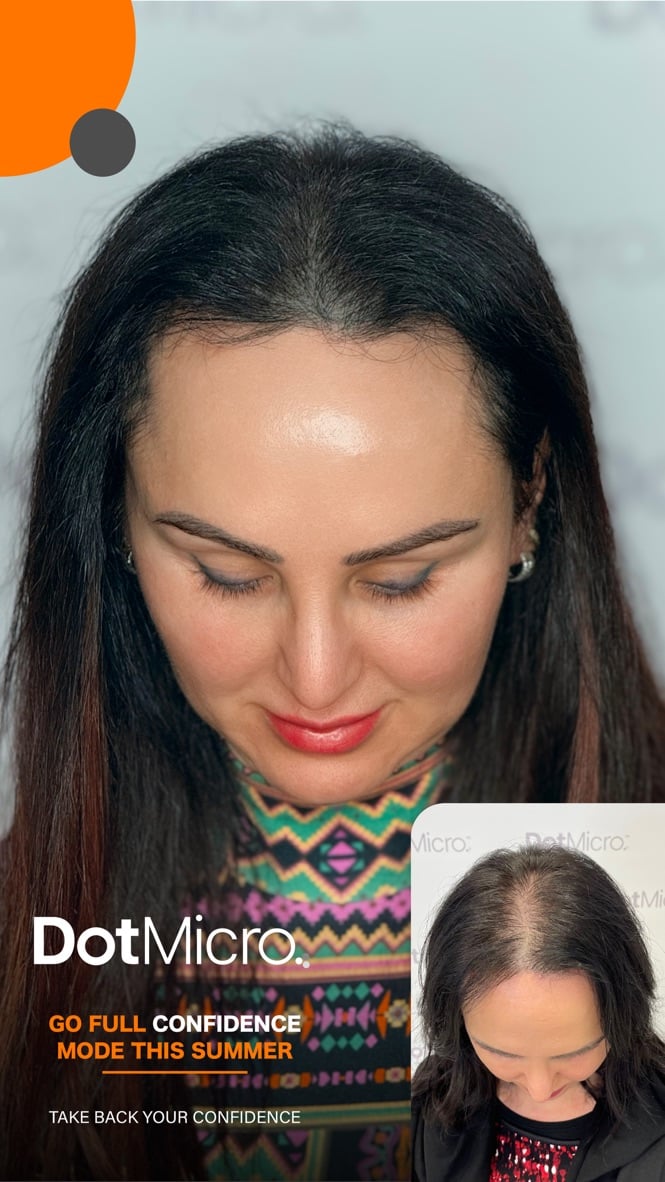
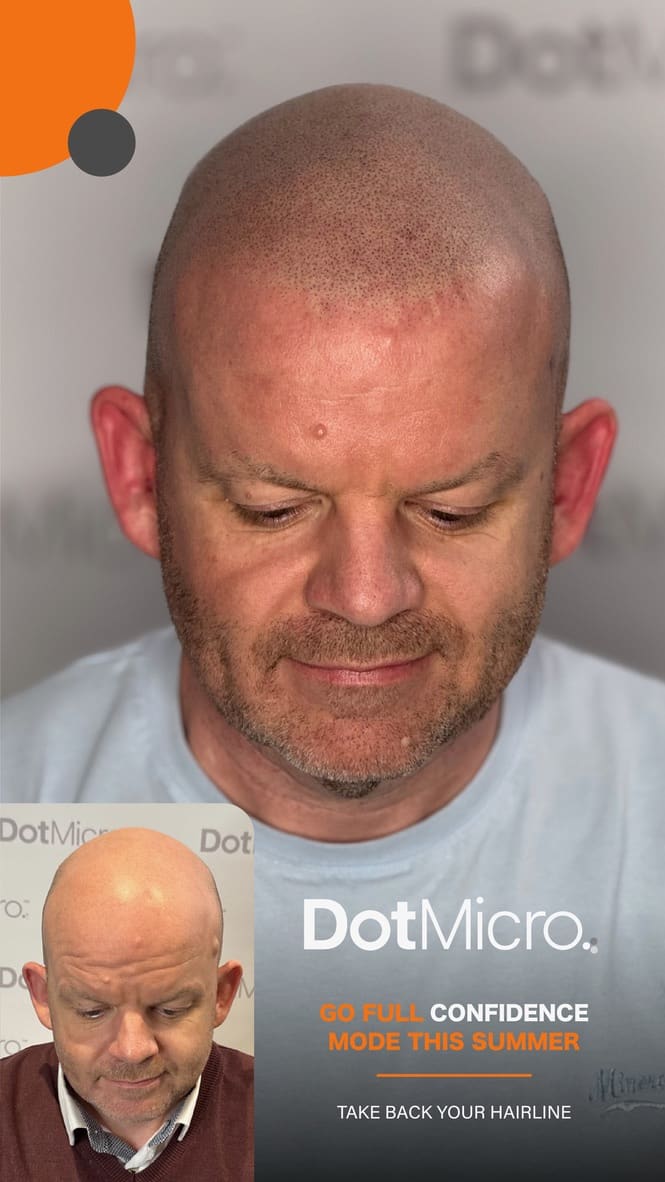
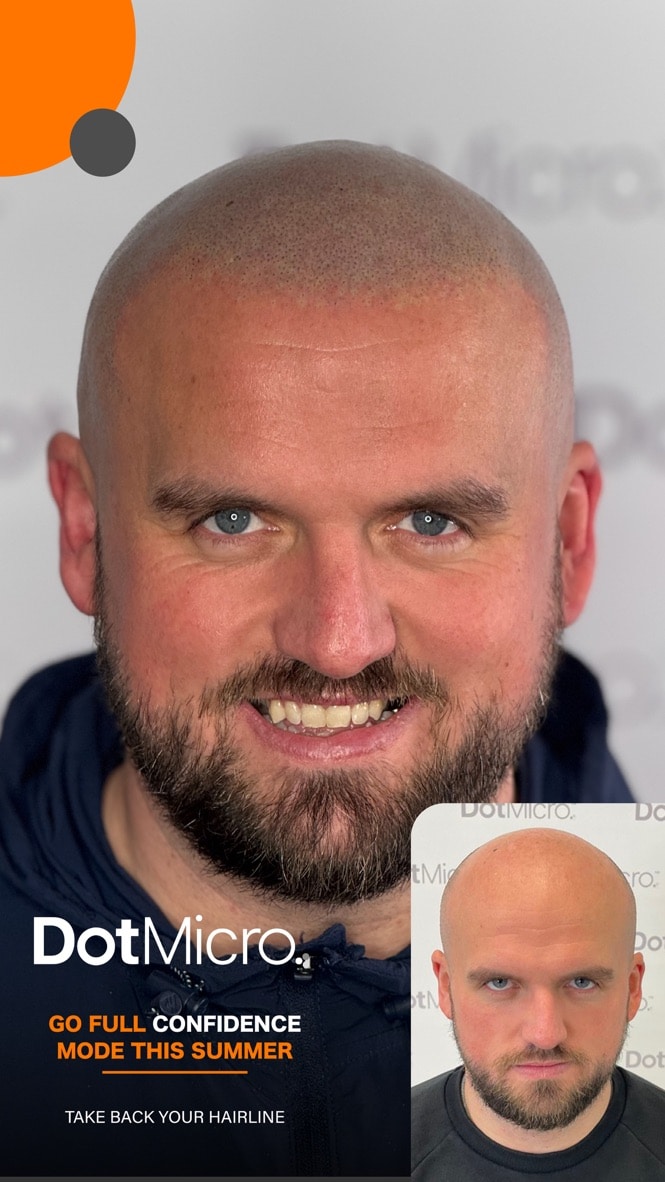
Scalp Micropigmentation:
Your Long Term Hair Loss Solution
Fast Results
Non-Invasive
Completely Natural
Cost-Effective
What our Clients say about us
Scalp Co. SMP
Mark is a highly skilled technical practitioner of Scalp Micropigmentation. Consistently producing high quality results that more importantly look very natural and not like a tattoo he creates the full illusion of the shaven look and stands out among the best in the world.-John Chandler

Gavin Tomlinson
Having spent the last 5 months living with the benefits of SMP, I am writing this review not only as a means of recommending Mark as a practitioneer but also as encouragement for anyone currently suffering from hairloss to take the plunge. First of all, a word about my experience. I approached SMP as something of a skeptic but from the initial consultation, it was clear that in Mark I was dealing with not only a highly talented artist but someone put the patient’s satisfaction first. Mark invested a great amount of time with me and the results are testiment to this. It is, without hint of exaggeration, a lifechanging improvement. Secondly, I would like to speak to anyone considering treatment. Do it. Do it immediately. Stop reading this review and throw Mark an email. I first started lossing my hair around 22 and while medication managed to arrest the loss around the Norwood 3-4 mark, my confidence was still severely dented. One of my initial reservations regarding the procedure was how realistic it would look; the primary reason I didn’t pull the trigger sooner. Thankfully, in all the months living with the results I have received neither an inquiring comment nor even a sideways glance. With someone of Mark’s ability, the treatment is virtually undetectable. My only regret was that I waited 7 years before contacting him. Every aspect of my experience, and most importantly, the end result are 10/10
David Hoffer
Mark is not only one of the best SMP artists in the industry, he is an all around wonderful person. He is caring and genuine and does what is best for his clients and his peers. I would highly recommend Mark
Ian Brown
Well what can I say! My horse shoe was expertly looked after at dotmicro. The experience has boosted my confidence unbelievably and has made me look much younger, or so I’m told. People notice the difference but cannot put their finger on exactly what I’ve had done. In fact a guy said to me on Saturday past “so you’ve decided to keep your hair cropped after your transplant”. When I explained what id done he wished he’d done the same. Guys don’t hold back, go for it. It’s painless and this comes from a guy with a very low pain threshold. You’ll be in excellent hands at Dotmicro
Ciaran Stringer
I highly recommend dot micro with Mark Smyth as e myself I have had a brain tumor that has left me with hair loss and lowered my confidence o truly recommend Mark in dot micro treatment to everyone thinking or looking into it especially those that have had hair loss due to treatment or any illness it has been amazing to spend time with Mark t get this done and I haven’t got recommend it !! ????
Jack Tittensor
I’m jack I started loosing my hair quite young (22) and always had insecurities with it , I knew I wanted to do something to fix that , for years I played with ideas , transplants , non surgical hair systems, etc etc ( funny story I remember being around 23/23 thing hair I actually went for a consultation for extensions micro beads to make my hair fuller and wear it in a bun) mad right ! Micro scalp pigmentation is something my late father always talked about and dreamed of having unfortunately he passed away before I was fortunate enough to have a successful buisness (in hair) or he would have been with me and my brother getting it done , but I seen marks page and thought about it for a few weeks , chatted with mark and talked my brother into doing it with me ???????? straight away we went and booked it for asap , mark and Zane immediately make me feel at ease ! From start to finish we chatted very regularly and still do , mark has changed my life massively for the better I haven’t been quite this confident from my late teens , 10 years ago , I would advise and do advise people in the situation I was in to do this and make that change in your life , we all deserve to enjoy our own view in the mirror ! Thanks microdot for changing my life!!
Simon King
Just finished the scalp micro pigmentation with Mark and have to say i would highly recommend. Mark has won various awards recently and is a top guy who makes sure you do not leave without being 100% happy with the result. Highly recommended.

Rick A
Delighted with my experience with from start to finish. Glad I decided to go ahead and couldn’t recommend Mark more. It’s easy to tell he has a passion for what he does and he was as enthusiastic and helpful long after the process as he was before I even decided to go ahead. Thanks again
Julia O’Dwyer
I can highly recommend Mark from Dot Micro. His attention to details is incredible and results are amazing. He is very professional and I felt very safe and assured from start to finish. He answered all my questions in detail and always went the extra bit. The clinic is immaculate and easy to reach. I would highly recommend Dot Micro to anybody.

Paolo Scura
Mark is a wonderful guy a briliant and skillful technician… And a knowledge trainer also. If you thinking about getting your treatment done and require more information rest assure with Mark you’ll be putting yourself in safe ends!

Ryan O’malley
Final Session done, looks brilliant and Mark puts your mind at ease that your care is in the right hands.

Jordan Stewart
The best of the best. I cannot recommend enough. Mark and the team has given me my life back. After dealing with a receding hairline for years Mark has given me my hairline back and the confidence boost I needed. The end result is perfection and looks so natural. Alan and Ellie made the whole process so easy and would really encourage anyone who is thinking about getting a smp treatment done to get in touch with these guys. I’m just so happy


Louis Tittensor
highly recommended with the best standards of work

Miguel Silva
The care, the attention of the client, the detail and the pride he has in his work and the way he treats his clients of his individuality is to be praised. Mark’s work it is a World class. I know Mark’s work but also as a person, is always in a good mood and he is undoubtedly one of the most highly regarded SMP artists in the world. I definitely recomend Mark’s work as you’re in safe hands and you won’t regret.

Andy Reay
Before meeting Mark, I was never comfortable with how I looked. Cannot describe the boost I’ve gained from Marks work, it is top notch. Very natural looking, Mark very passion with his work
Caitlin James Smp
Mark Smith‘s results are world class, with an extensive understanding of both Hair transplants and Scalp MicroPigmentation, he is the perfect artist to help you with your hair loss concerns
Niall Carson
amazing results, affordable price your in great hands with Mark wouldn’t go to anyone else, strongly recommend him plus he’s easy on the eye

after having smp 7 years ago it had faded quite a bit. I heard of dot micro through a friend and seeing his results for myself I decided I had to come here and get mine topped up and I’m so glad I did as it looks much better, mark definitely deserves a lot of awards for his great work (and for sitting through 8 hours of madonna while working on me
)

Don Allen
Have just finished treatment with Mark, I am so happy with the final result. There are so many positive points i could write about Mark and the treatment, if you are thinking of having the treatment done, don’t hesitate just go for it, I have tried just about everything on the market for my very thin hair and this is the first time I call truly say I really happy with the result “one very happy customer”


Roy Childs-Gilchrist
WOW, What can I say just finished my treatment with Mark top job and top guy couldn’t recommend this treatment or Mark enough it has exceeded all my expectations just love it, never thought I would shave my head and look so good and feel so confident all I can say is trust Mark he’s the best and go for it, many many thanks again Mark for giving me back a full look of hair best thing I have ever done for myself CHEERS

Simon King
Just finished the scalp micro pigmentation with Mark and have to say i would highly recommend. Mark has won various awards recently and is a top guy who makes sure you do not leave without being 100% happy with the result. Highly recommended.
- Step
FREE Consultation
We discuss your hair loss, goals, and expectations to see if SMP is the right option for you.
- Step
Custom Treatment Plan
We design a personalised plan including hairline style, density, and treatment sessions.
- Step
SMP Treatment
Pigments are carefully applied to recreate natural hair follicles and restore the look of fuller hair.
- Step
Aftercare & Support
We provide aftercare guidance and future top-up advice to maintain long lasting results.
Frequently Asked Questions
-
Men with partial to severe hair loss. (Norwood 3-7).
-
Men who are receding in the temple areas hoping to rebuild their hairline.
-
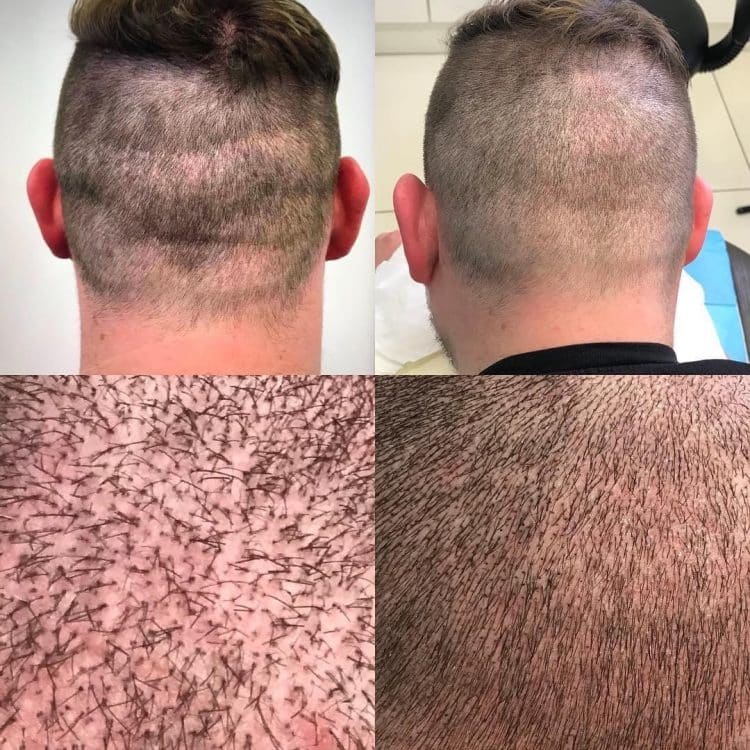
Men who are bald in the crown and keen to hide the bald spot or horseshoe at the back.
-
Thinning hair by adding the appearance of more density.
-
Men or women with scars on the scalp from accidents or, from surgery such as linear strip scars from an FUT (Follicular Unit Transplant) hair transplant or spot type scars from an FUE (Follicular Unit Extraction) hair transplant.
-
Failed hair transplants or hair transplants that have not given the client sufficient density.
-
To mask or camouflage old hair plug type transplants.
-
If you’ve been using a hair system or wig and want something that costs less over time with less maintenance.
-
Female hair loss.
-
Most types of Alopecia including Androgenic Alopecia, Alopecia Totalis, Alopecia Universalis, Ciatricial Alopecia (Scaring Aplocia), Alopecia Areata, Telogen effluvium, Diffuse Alopecia. For the right advice you must speak to a hair loss expert. We can help with this.
Scalp micropigmentation usually takes three sessions to complete, with each session spaced around four weeks apart. This gives the skin enough time to heal correctly and allows the treatment to settle between appointments.
In most cases, the treatment is around 90 to 95% complete by the end of session two, with session three used for finishing touches and final refinements. I always bring clients back afterwards to check that everything has healed correctly, so no one is left with an unfinished treatment.
Compared with treatments such as a hair transplant, scalp micropigmentation has a very fast turnaround. Most clients are already looking extremely good after around four weeks, once the first two sessions are complete, whereas a hair transplant can take up to a year to show its full result.
For an average full treatment, each session typically involves 2.5 to 3.5 hours of treatment. The first session can take 5 to 6 hours total, including onboarding (consultation, forms, hairline design, prep, breaks). The second session is similar in treatment time but only adds 30 minutes to 1 hour overall. The final session is shorter—20 minutes to 1.5 hours—focused on refinements. Smaller treatments take less time, so a consultation will give you an exact timeline for your specific needs.
When completed correctly, scalp micropigmentation can last for many years and can be maintained long term with occasional top-ups when needed.
The pigment is placed into a specific layer of the skin to maintain detail, crispness and a natural-looking finish. Over time, the treatment will gradually lighten, which is why maintenance appointments are sometimes required.
I invite clients back after one year for a review, as everyone’s skin type is different and it is not always possible to predict exactly when a top-up will be needed. If something is required, we can stay on top of it early. If nothing is needed, we can simply review it again the following year.
The cost of a top-up is relatively inexpensive compared with the main treatment, and I always look after my existing clients to ensure their treatment stays well maintained and they can continue enjoying their confidence for years to come.
Yes, scalp micropigmentation will gradually lighten over time. However, when it is done correctly, it should still maintain texture, detail and a natural appearance.
With a simple top-up whenever required, we can maintain a high-quality look for many years. The aim is always to preserve the natural finish without overpopulating the skin with pigment too quickly.
If your hair continues to recede after treatment, it is very straightforward to maintain your look. During the initial treatment, I blend and future-proof the result as much as possible by working into thinning areas or areas where future thinning may occur.
If further recession happens later, we can extend or adjust the treatment with a top-up so everything continues to blend naturally. With periodic check-ups, your result can be maintained so it still looks full, natural and appropriate for your hair loss pattern.
This is all discussed during your consultation and planned around your individual needs.
If your hair goes grey, it is absolutely not a problem. Scalp micropigmentation works on a monochromatic scale, and we use a black carbon-based pigment that is diluted to match your individual hair tone.
As your hair lightens or turns grey, the treatment can continue to blend very naturally. The treatment itself also lightens gradually over time, and any future top-ups can be adapted to suit your changing hair colour and blending needs.
Scalp micropigmentation is extremely adaptable and works with almost all hair colours and hair types. This is because the tone of shaved hair follicles is naturally quite similar once the hair is cut short, allowing us to create a realistic blend for each client.
In cases where the hair is very light, we can carefully pepper and blend further down the sides to create a soft, natural result. The same applies to density treatments, where the tones we use work extremely well underneath existing hair to create the appearance of fuller density.
In short, with the right technique, almost everyone can enjoy a natural-looking treatment.
The cost of scalp micropigmentation depends on each individual and the amount of work required. Every client has different needs, so it is important to assess the treatment area properly before giving an accurate price.
A fixed price list is not the most effective way to price this type of treatment, because the cost should reflect what is actually required for your specific result. This ensures your quote is tailored to you and the work involved.
To get an accurate price, please contact Dot Micro and speak with your practitioner, Mark Smith. I will advise you on the cost of your treatment and talk you through everything you need to know.
Yes, scalp micropigmentation is very safe when carried out correctly by a trained practitioner. It is one of the safest minimally invasive treatments available for hair loss.
At Dot Micro, we use high-quality hypoallergenic pigments, and the products we use are generally classed as vegan. We also follow European REACH standards for quality and safety, and your practitioner is fully trained in health, safety and infection control.
There are some contraindications, so it is important to raise any concerns before treatment. If needed, we can carry out a patch test, and everything will be discussed clearly during your consultation so you feel fully informed and confident before proceeding.
Yes, scalp micropigmentation can look extremely natural when it is carried out by a skilled practitioner. Hopefully, if you have seen my work, you will already know that natural results are exactly what I specialise in.
I have focused on natural hairlines throughout my career and have countless happy clients with soft, realistic results. The treatment only tends to look unnatural when it has been carried out badly or by someone without the correct training and experience.
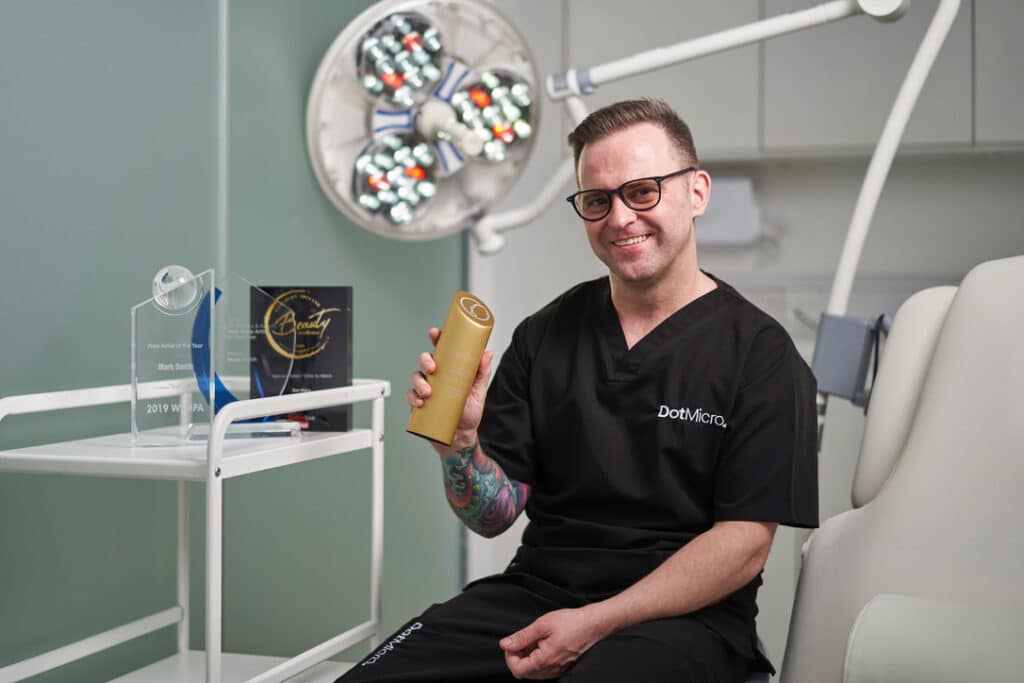
I am a multi-award-winning scalp micropigmentation practitioner, with eight years’ experience in the scalp industry and over 10 years’ experience in the wider hair-loss industry. That gives me almost 20 years of experience helping people with hair loss, and my goal is always to create a result that looks natural, age-appropriate and undetectable.
Most people find scalp micropigmentation very bearable. There can be slight discomfort in certain areas, but most clients rate the overall discomfort at around 2 out of 5.
Some people even find the treatment therapeutic, while others may find certain areas a little more uncomfortable. I have never had a client who has had to stop treatment because of pain.
We do not use numbing creams, and you should not apply any before treatment, as this can affect the result. The good news is that you should not need it. With some chilled music in the background and a bit of witty banter, most clients get through the treatment very comfortably.
Technically, yes. In the UK, any pigment applied into the skin is currently classed as a tattoo. However, scalp micropigmentation is very different from a traditional tattoo in its purpose, technique, depth, tools and final appearance.
With scalp micropigmentation, pigment is placed at a shallower depth in the skin, just beneath the epidermis. Because of the layer we work in, the treatment can last and be maintained over a lifetime, but micropigmentation does lighten slightly over time.
The pigments are also different from standard tattoo inks and are selected to create soft, natural tones on the scalp. Each impression — sometimes called specks, dots or flecks — is carefully placed to replicate the look of a natural hair follicle. The technique is very different from traditional tattooing, and the treatment is usually significantly less painful.
Traditional tattoos are generally designed to be seen. Scalp micropigmentation is the opposite: the goal is for the result to be undetectable. It is designed to create the illusion of natural hair, not the appearance of a visible tattoo.
After each scalp micropigmentation session, the initial healing period is around three days, or 72 hours. This gives the skin time to close the tiny microchannels created during treatment and begin healing correctly.
From day four, you will begin your aftercare routine, which includes nourishing and moisturising the scalp. The surface of the skin usually feels healed after around one week, but in my experience, the deeper layers can take another one to two weeks to fully settle.
I ask clients to allow around four weeks for full healing between sessions. This gives the body time to complete its natural processes and push out anything it needs to from the epidermal layer, so we can clearly see what has healed and what remains.
The immediate healing time is very fast, and many clients can return to work the next day. However, there may be some temporary redness. For many people this fades quickly, but on fairer skin, especially Fitzpatrick Type I skin that is naturally pink or red in complexion, redness can sometimes take a little longer to calm down.
Compared with a hair transplant, the healing time is much shorter. A hair transplant can require at least two weeks of initial recovery, with redness sometimes taking 90 days or longer to fully settle.
In my experience, the ideal time to wait between scalp micropigmentation sessions is around four weeks. This allows the skin to heal properly and gives enough time for any natural fading or pigment shedding to take place before the next session.
When the aftercare plan is followed correctly, this timing gives us the best foundation for each appointment and helps ensure the skin is ready for the next stage of treatment.
Compared with a hair transplant, the turnaround is extremely fast. With a hair transplant, you may have to wait 12 to 18 months before considering another treatment, whereas scalp micropigmentation can usually be completed over a much shorter period.
As with any treatment, there are always some risks, but the risks with scalp micropigmentation are extremely minimal when the treatment is carried out correctly.
The main potential risks are a minor skin infection or a rare allergic reaction. A minor infection is usually easy to manage with appropriate medical treatment, and an allergic reaction may present as small itchy hives on the scalp, which can usually be treated with antihistamines or suitable medical advice.
It is also important to disclose any serious skin conditions, health conditions or anything that could affect your suitability for treatment. Full transparency on both sides allows your practitioner to advise you correctly and decide whether treatment is right for you.
Choosing the right practitioner is one of the most important ways to minimise risk. I, Mark Smith, have eight years’ experience in scalp micropigmentation, have completed almost 1,000 treatments, and have trained with some of the best artists in the industry. I have also won multiple global awards for my work, so you can feel reassured that you are in experienced hands.
Yes, there are some medical conditions and contraindications that may mean scalp micropigmentation is not suitable, needs to be delayed, or requires extra consideration before treatment can begin.
Full transparency is extremely important so that I can give you the right advice. In some cases, we may need to carry out a patch test, ask you to seek medical advice, or request permission from your medical consultant before proceeding.
Permanent contraindications, or conditions that may prevent treatment or need careful discussion, can include allergic reactions to pigments or certain skin conditions in the treatment area, such as freckles, moles, keloids, bulky angiomas, warts, melanomas, impetigo, psoriasis, urticaria, chloasma, nevus or nevi, and skin cancer.
Temporary contraindications, where you may need medical advice before treatment, can include herpes simplex or zoster, immune weakness, recent cosmetic surgery, chemotherapy or radiotherapy, local infection, unstabilised scarring, local dermatitis, bruising, sunburn, skin ulcers, or bacterial, fungal or viral infections in the treatment area.
Pregnancy may also be a reason to delay treatment or discuss suitability in more detail. If you are pregnant, it is important to speak with your practitioner before making any decisions.
All of this will be discussed during your consultation with me, Mark Smith, so we can decide safely and responsibly whether the treatment is right for you.
While scalp micropigmentation does not regrow lost hair, your existing hair is completely unaffected and will continue to grow as normal.
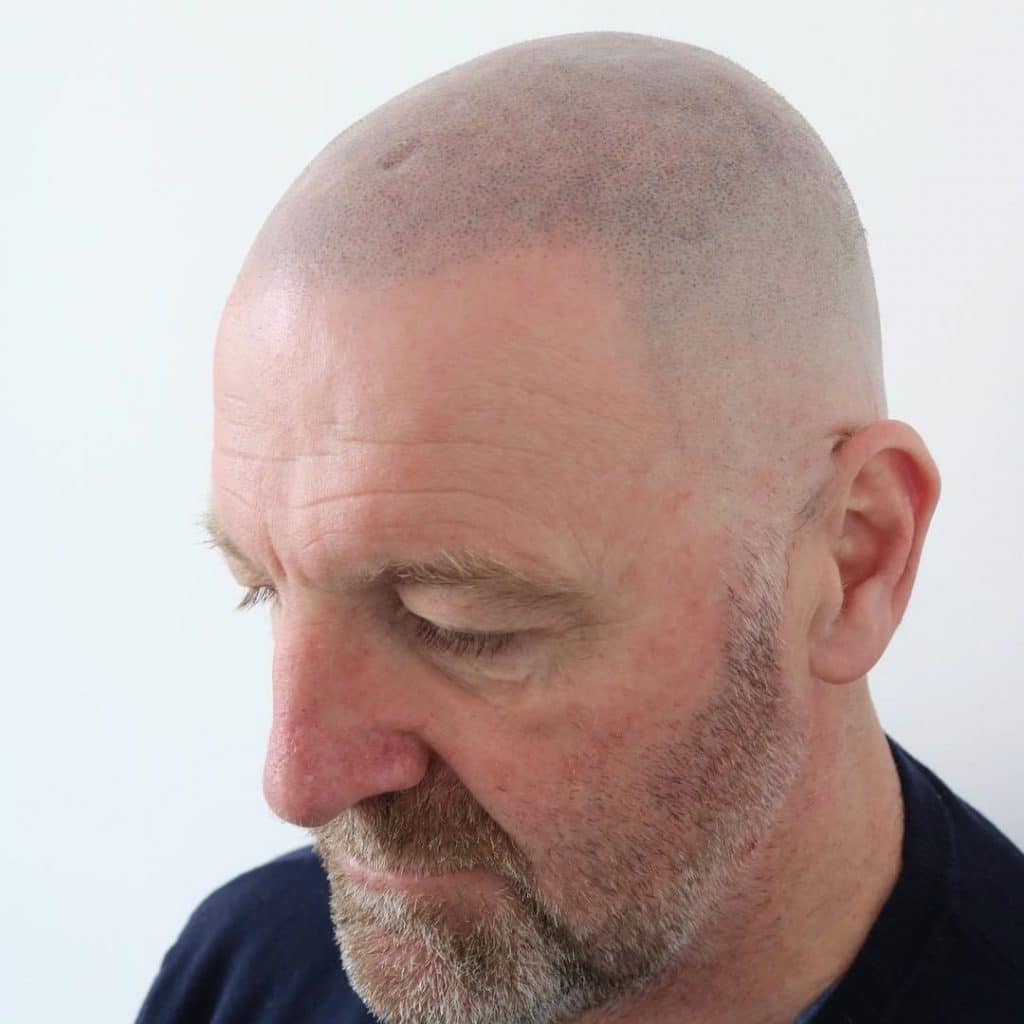
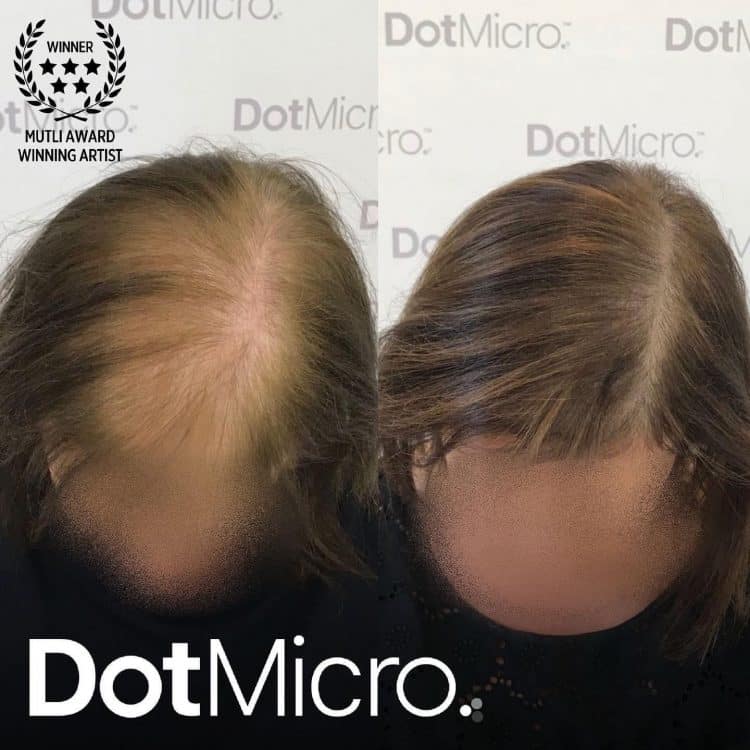
The treatment works by creating the appearance of fuller hair. On a shaved head, it replicates the look of a close-shaven scalp, helping to disguise baldness or male pattern hair loss. For thinning hair, whether male or female, it can add the appearance of extra density and make the hair look fuller.
The pigment is placed at a depth that does not affect your hair follicles or natural hair growth. Any existing unaffected hair, such as the hair on the sides and back for men, or the general hair present in thinning cases, will continue growing normally.
In some cases, although this is not something I promote as a selling point, the needling process can have a rejuvenating effect on the scalp. Combined with good aftercare and nourishing the skin, some clients may notice small vellus hairs. This is rare, not guaranteed, and should be seen only as a possible positive side effect rather than an expected result.
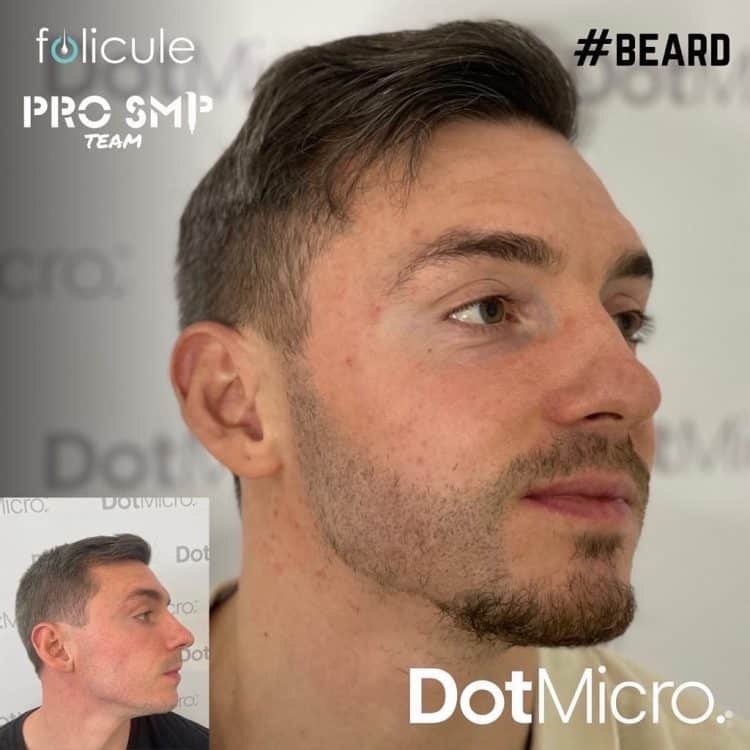
We can create a stubble effect for anyone who has patches or who can’t grow facial hair.